The Hidden Compliance Gap in A2L System Conversions
When engineers specify components for A2L refrigerant systems, they typically focus on the refrigerant side of the equation. The electrical side, specifically, the arc-producing devices already in the design, is where compliance gaps tend to appear.
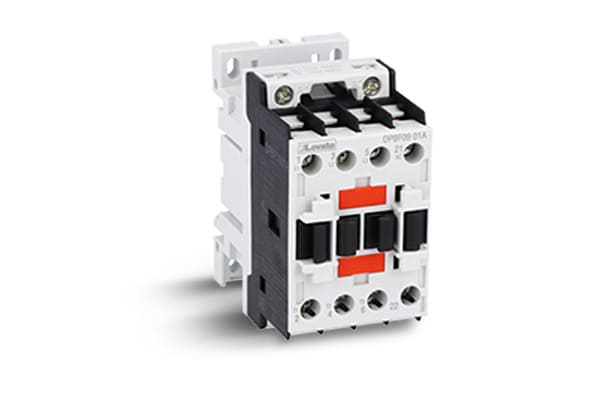
Two questions determine the scope. Does it arc? And could leaked refrigerant reach it? Any device that satisfies both requires A2L certification. Electromechanical contactors, disconnect switches, control relays and motor protection circuit breakers in the refrigerant zone all qualify.
Components that do not arc, like transformers and sealed solid-state electronics, may be exempt, but exemption still requires a documented FMEA showing that no fault condition can generate ignition-capable energy.
Here are three things often missed in conversions:
📋 VFD listings
Any drive previously listed under UL 508C must be re-specified against UL 61800-5-1 for A2L service.
🚨Leak detection integration
UL 60335-2-40 requires sensors that activate at less than 25% of the refrigerant’s lower flammability limit, and when concentrations approach threshold, the system must initiate ventilation or controlled shutdown. That requirement changes what a contactor does in the system. A mini-contactor controlling a ventilation fan is now a safety actuator.
✅ Forward-looking specification
Sectors like data center cooling have no hard A2L requirement today, but many specifiers are already requesting compliant components as a safety margin, and the regulatory direction is clear. Designing A2L compliance into the BOM now avoids a second round of re-specification later.
💡 The Bottom Line
For decades, selecting refrigerants and electrical components were independent engineering decisions. With A2L, they’re not. Building this understanding into your specifications today can help you spend less time chasing compliance issues once the equipment reaches the test lab.